Prints and embroidery

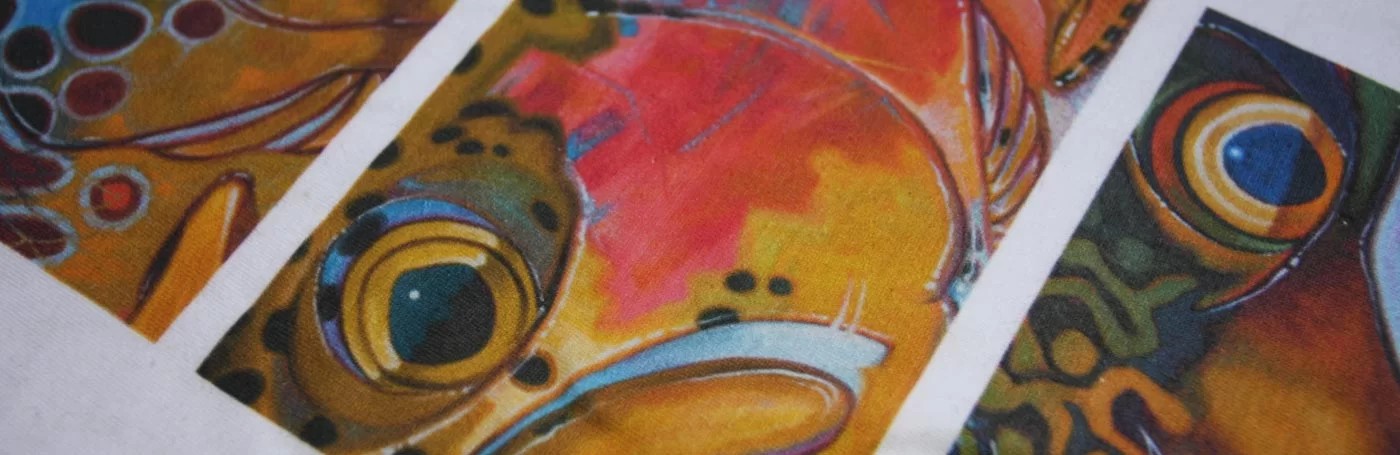
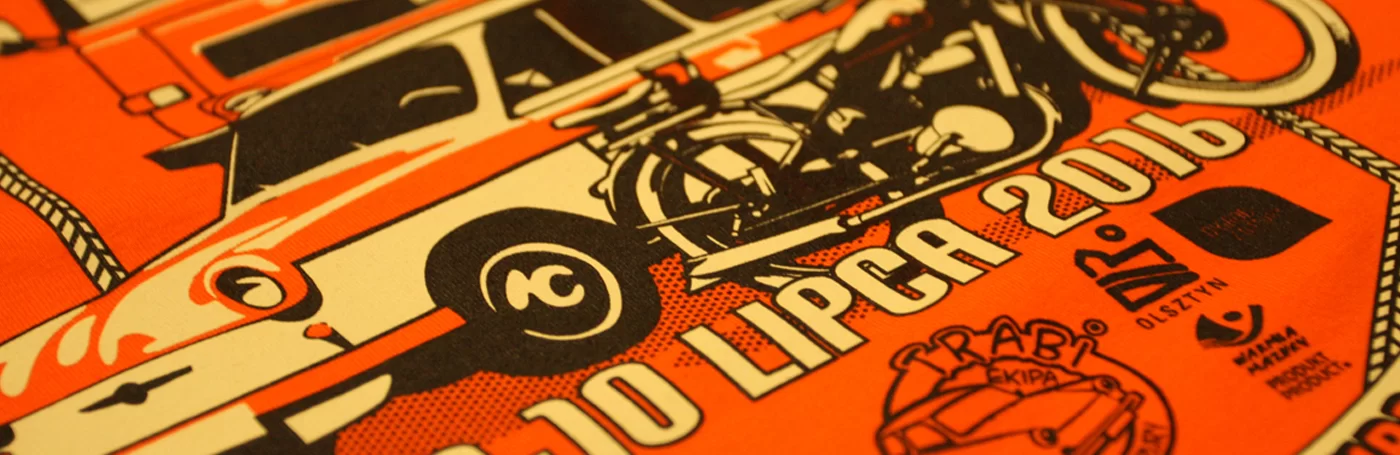
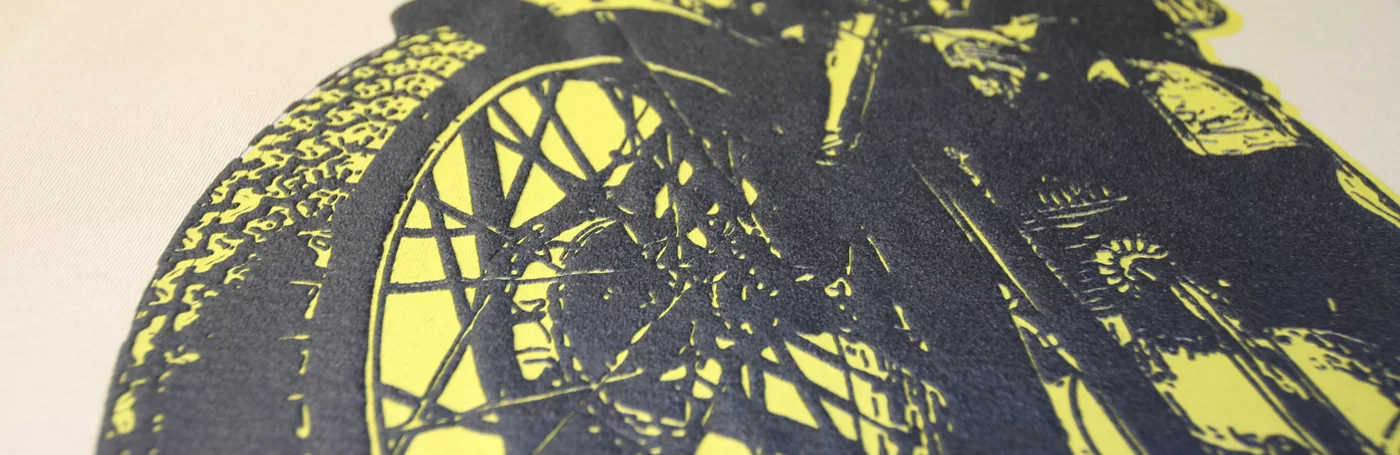
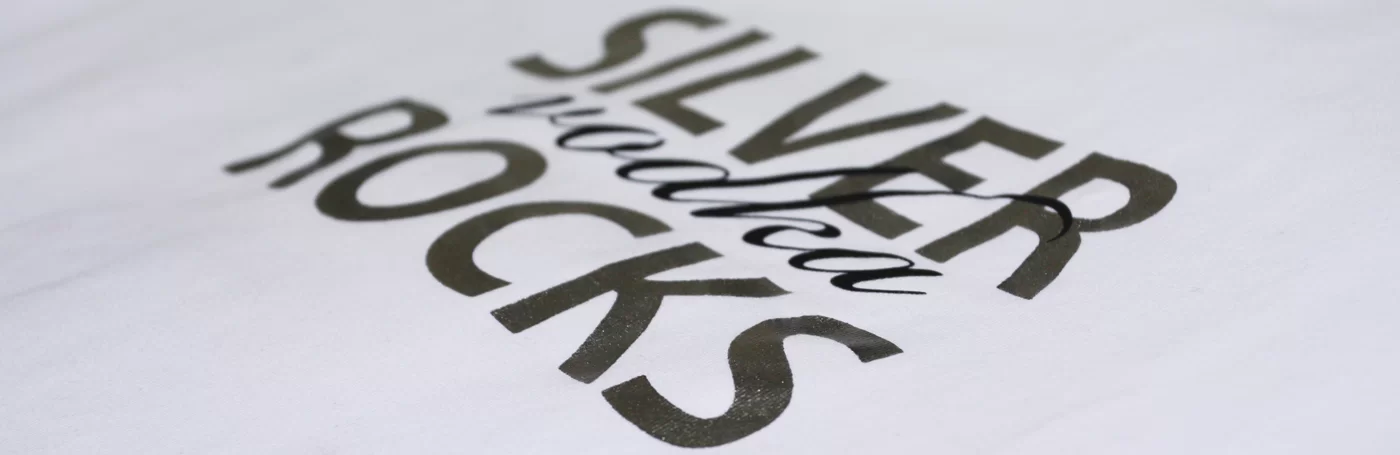
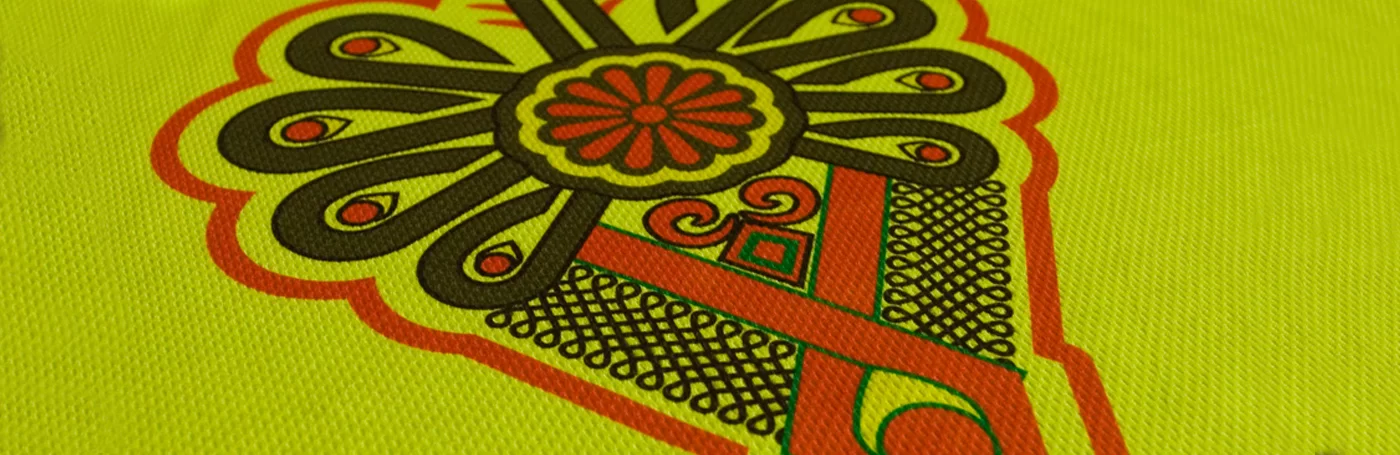
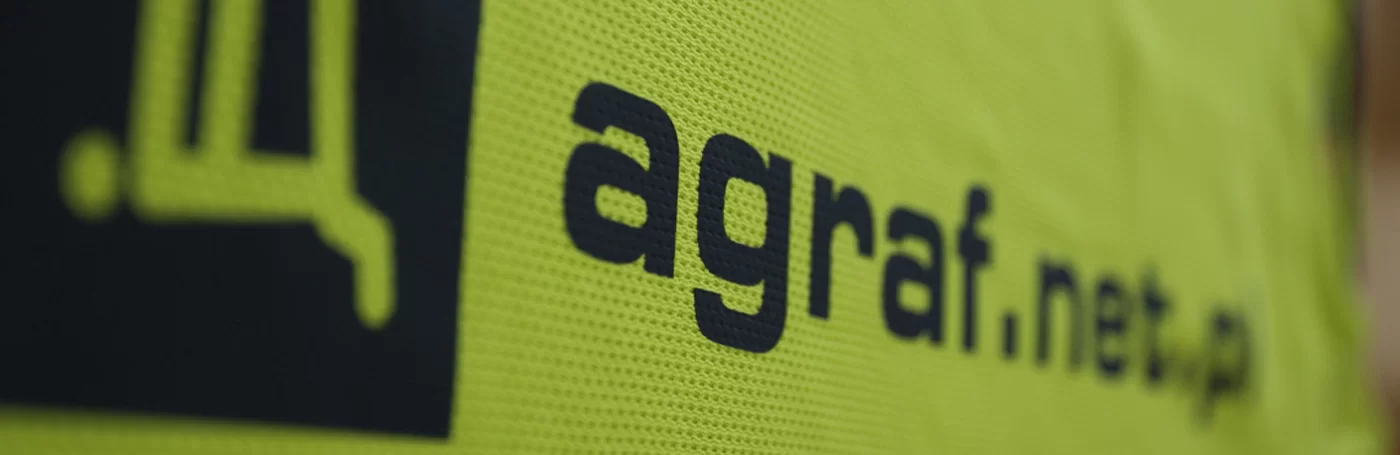
The most popular method of printing on clothing. It consists in directly applying paint to t-shirts using screens. Using a photosensitive emulsion, we apply a pattern to the sieves. Each color of the design requires a separately exposed screen. Then using the so-called squeegee, push the paint through the sieve mesh. We have to thermally fi x the print. For printing, the most common spot paints are used, e.g. according to the PANTONE paint template.

Using the raster, it is possible to perform screen printing in the CMYK color space, similar to offset printing. You can also get tonal transitions thanks to the raster. The screen printing technique is primarily intended for larger outlays, due to the relatively high costs of exposure of matrices. Screen printing can be done with more durable solvent paints, but they are impermeable to air, creating „rubber” for larger surfaces, or water-based paints that are less durable.

In a few simple steps, we'll show you how to do it:

  • contact us by phone or e-mail,
  • our graphic designers will prepare a project for you, combining your idea with the solution suggested by us, or they will create a completely alternative concept; we will make a quote and after your approval we will prepare the production,
  • we will prepare embroidery programs, matrices, foils, or transfer papers, according to the design you accept,
  • production is a close cooperation between a graphic designer and a technologist; after the marking process is completed, the garment is subjected to detailed quality control,
  • finally, our logisticians will make sure that the product reaches you as soon as possible.

In addition to the design, our graphic design studio will also suggest the most appropriate way to transfer it to the material

There are many possibilities. Depending on the type of clothing, design and volume, we make DTG prints, screen prints, thermal transfers and computer embroidery. These are modern technologies that ensure very high quality of prints.

Here's a quick guide to marking methods

DIRECT DIGITAL PRINTING

DTG

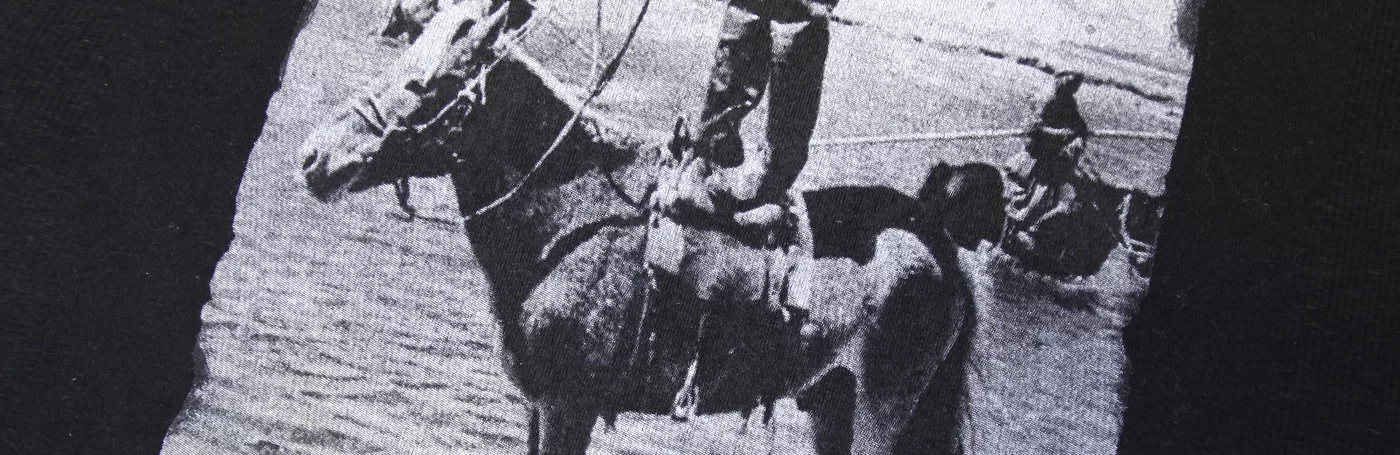
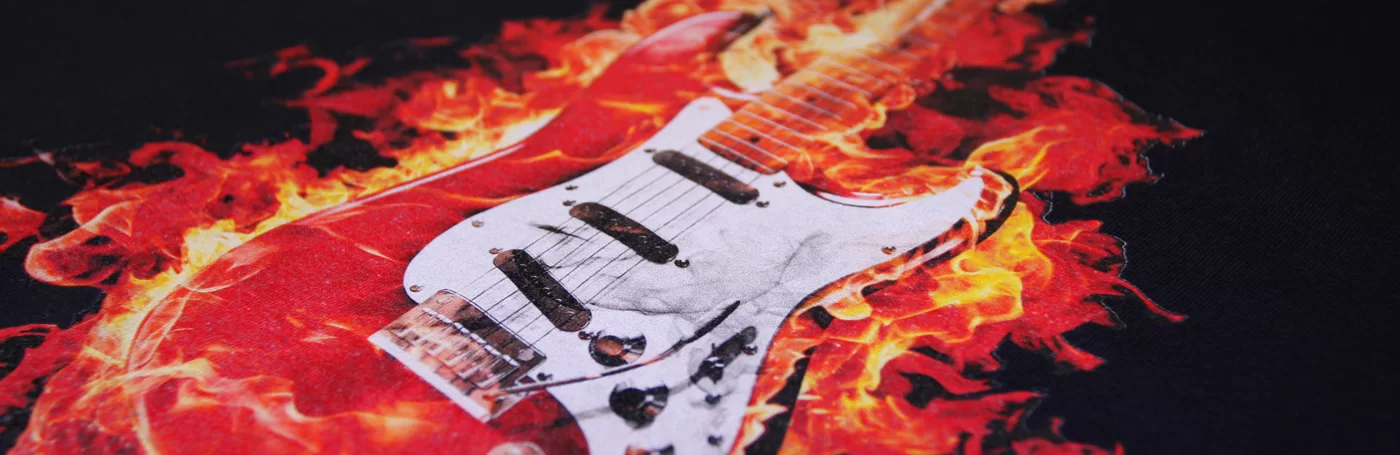
Direct To Garment, a modern method that allows photorealistic graphics to be transferred to clothing in a durable and economical way from a single art. Unlike transfer fi lms or even screen printing, DTG is more pleasant to the touch. Marked clothing should be washed at 40°C, turned inside out.

SCREEN PRINTING

The most popular printing technique involves manually or mechanically squeezing ink with a squeegee through a printing plate made on a special screen. This sieve is covered with an emulsion on which the printed image is mapped. The pressed paint passes through those areas of the sieve that are not covered with emulsion. Due to the need to prepare the matrix individually for each order, this method is the most cost-effective for large quantities.

Plastisol inks

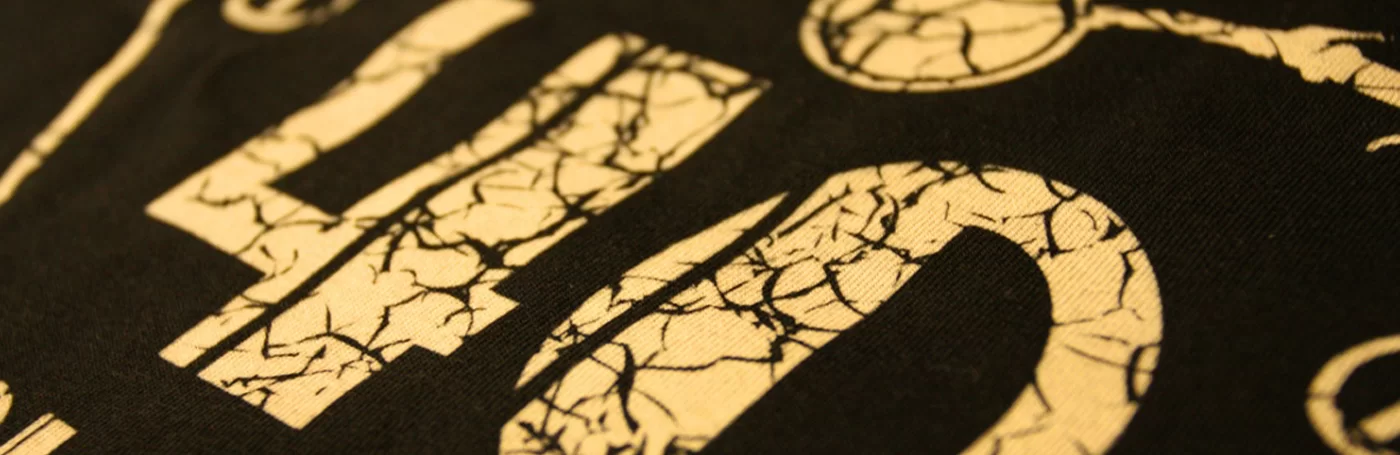
Currently, they are probably the largest group of inks among all others available on the market. Due to the optimal composition, they guarantee high durability and very good color reproduction, and at the same time they effectively hide fabrics, both white and colored, tolerate high washing temperatures, even up to 90°C.

Water inks

Once one of the most popular inks used in screen printing - water based inks, which due to the high level of dilutability slightly hide textiles compared to standard prints made using plastisol paints, but provide a satisfactory level of resistance to washing at temperatures up to 60°C.

Erasure/Bleach

An unusual method, consisting not of applying ink, but „bleaching” of colored material. Despite its color restrictions, this is defi nitely the most durable way of marking. Unfortunately, due to the use of an increasing number of synthetic additives, different parts of clothing can lure out to varying degrees.

Puff

Used most often to emphasize details in the print, they give an almost three-dimensional effect. They are perfect when we want to get the „wow” effect in our print.

Hight Density

Similarly to „PUFF” paints, High Density is designed to create a three-dimensional impression. What makes them different is the edge of the bulge, which in this case is not so round.

Embroidery

Computer embroidery

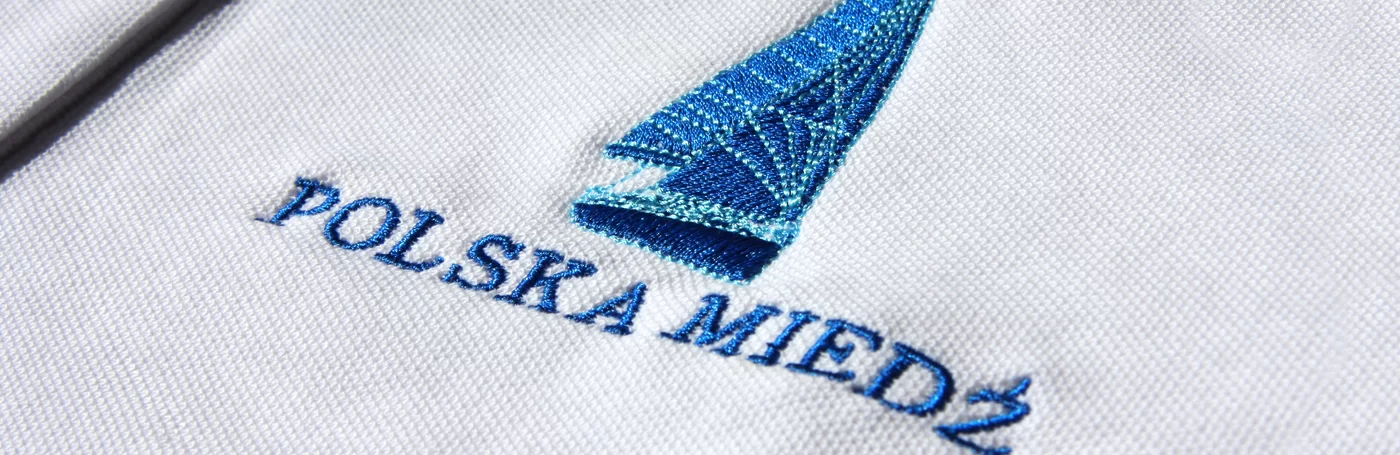
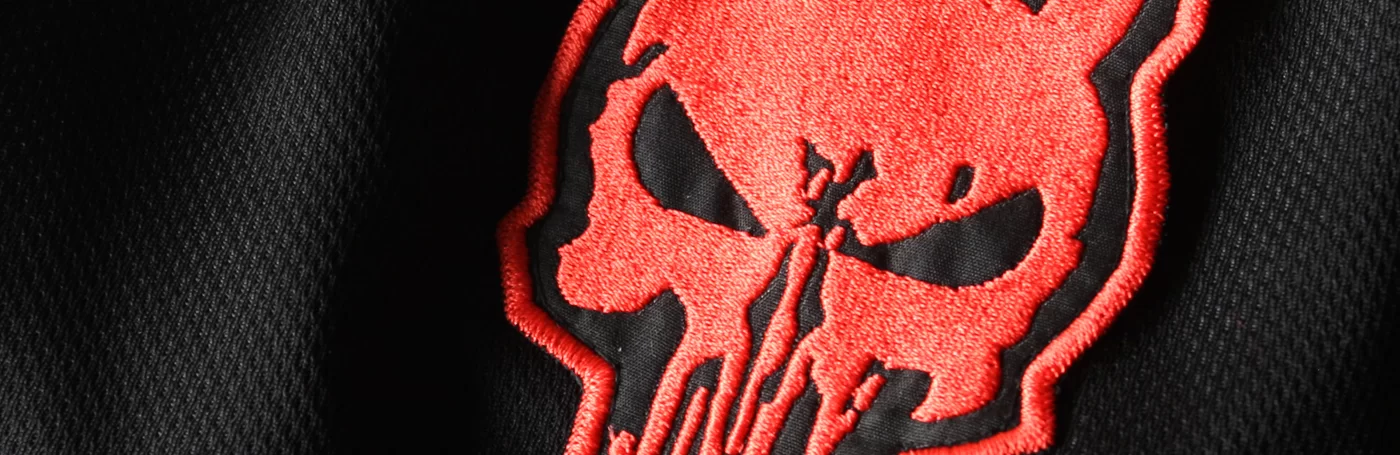
A very popular technique, used primarily to transfer the logotype or other uncomplicated information onto clothing. Embroidery is a very durable, noble method, giving the impression of professionalism. However, this technique is not good for refl ecting small details and advanced graphic forms, because we are limited here by the thickness of the thread.

3D embroidery

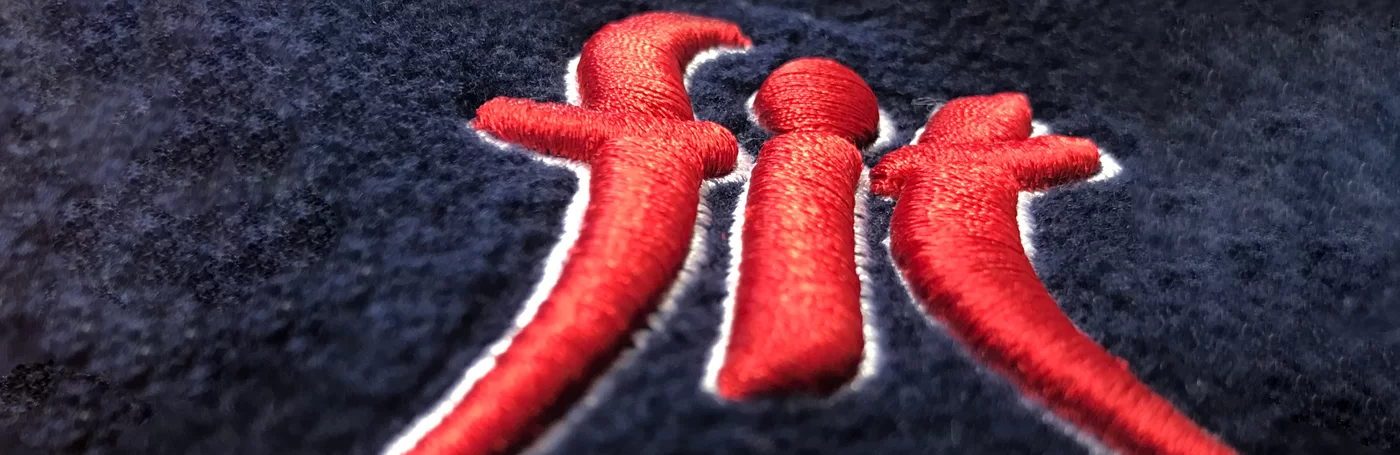
Convex embroidery - a more interesting and fashionable version. It allows embroidery in several planes to enhance the appearance of the pattern.

Embroidered patches

Embroidered patches allow you to apply a logo to most places inaccessible to other decorating techniques.

TRANSFER FOIL AND PAIPER

Thermotransfer

The print is applied by screen printing onto paper or transfer foil, which is then welded into the fabric. This print allows us to mark hard to reach places. Applications may also contain more colors than direct printing.

Digital thermotransfer

The technique of welding fi lm into the material. The print works with the fabric. The foil can be printed. There are different types of foil, e.g. carbon, perforated, metallic, glitter or luminescent.

Sublimation

A printing technique that allows you to decorate bright T-shirts made of polyester. The pattern is printed on special transfer paper, and then welded onto the fabric with a press, dyeing the fi ber, making it the most durable printing technique.

FLEX

A marking technique involving welding foil into the material. One of the most durable marking techniques, printing works with the fabric. The foil can be printed on. There are different types of foil, e.g. carbon, perforated foil, metallic foil, glitter foil and luminescent foil.

FLOCK

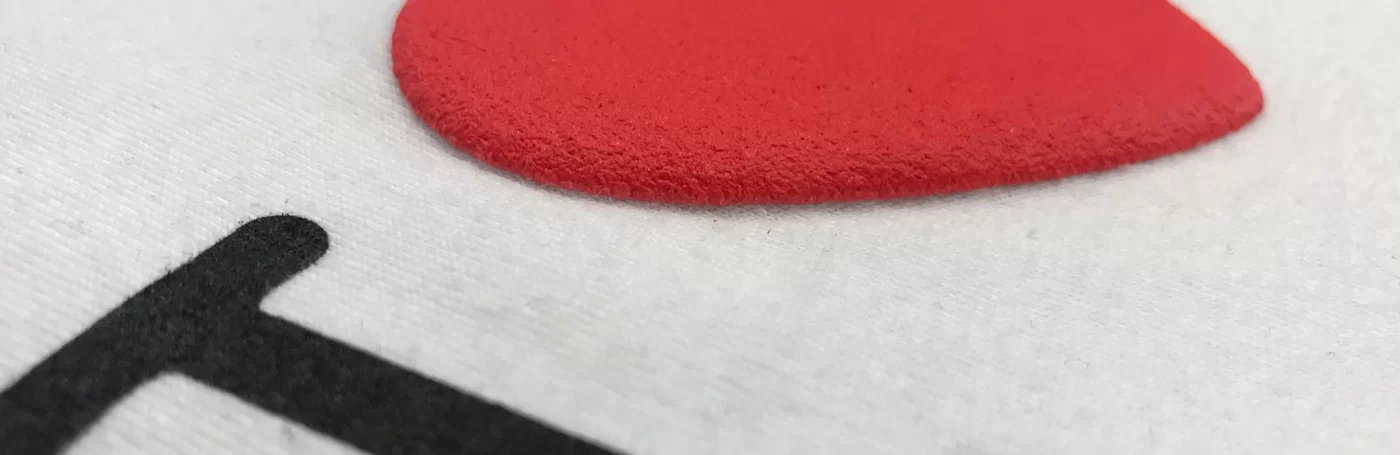
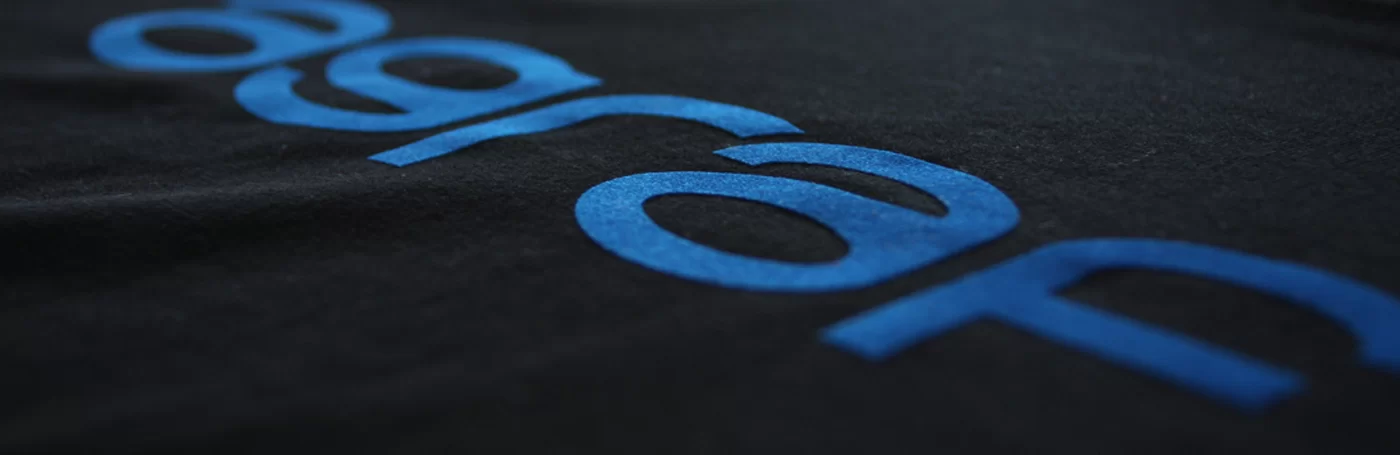
A slightly three-dimensional effect with a suede texture. It can be applied to both cotton, polyester or baseball caps.

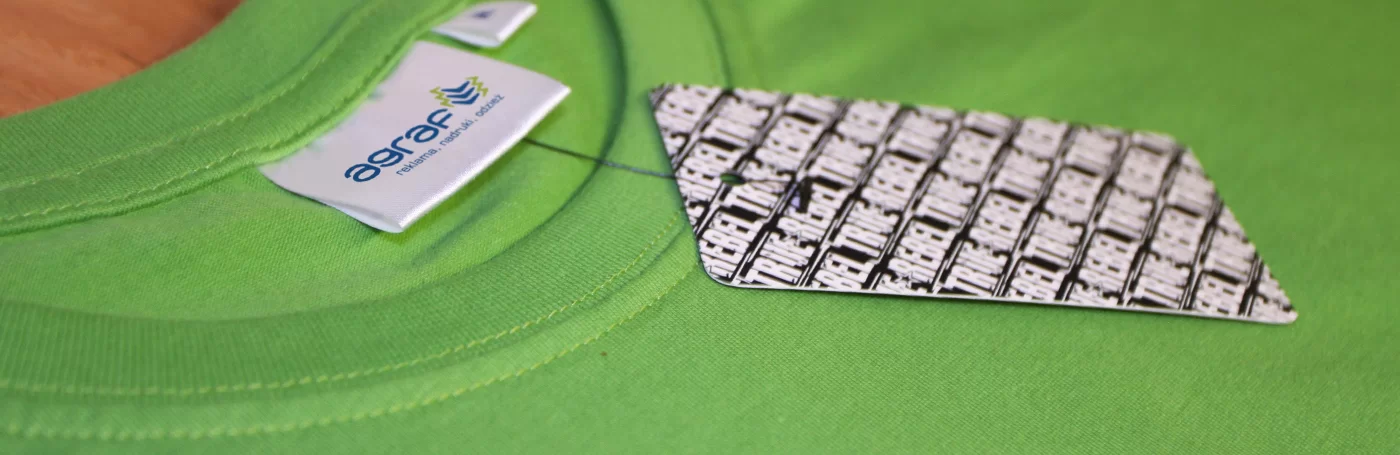
Woven labels

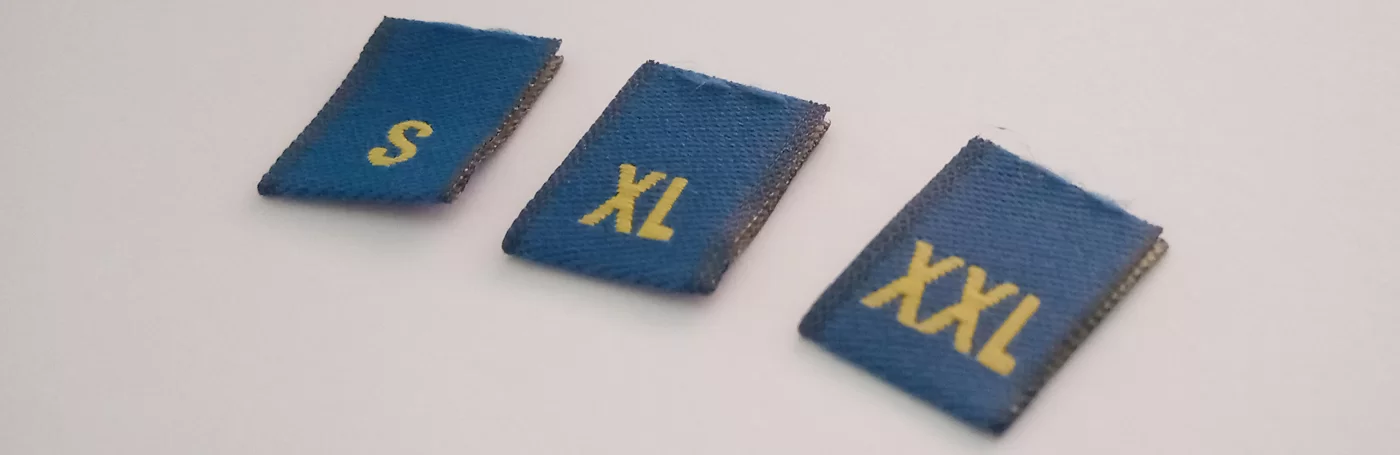
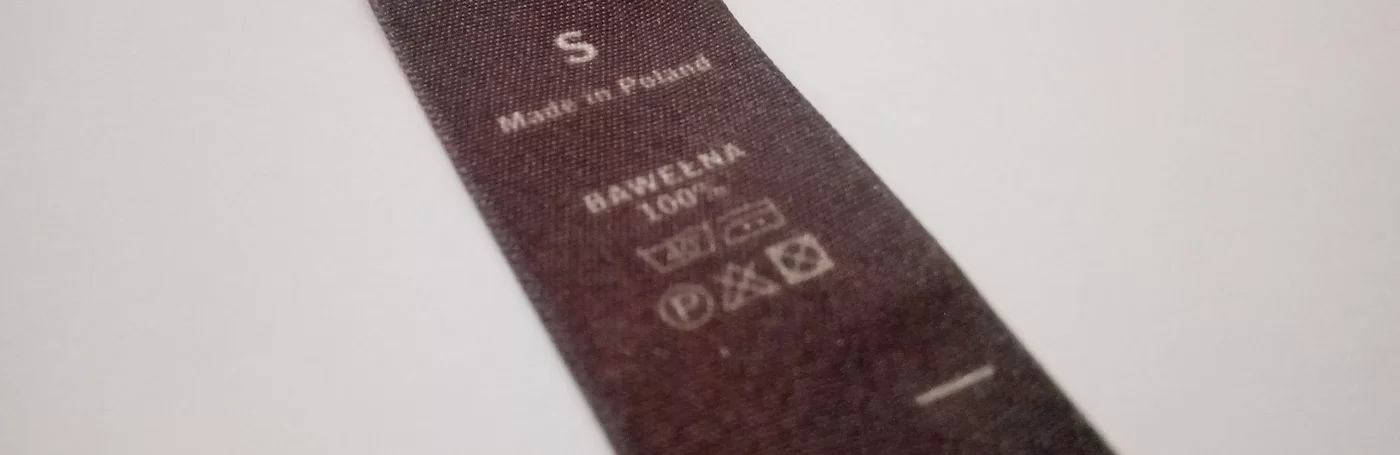
Replacing existing labels with woven labels with the customer’s logo will make the products look like a dedicated production for the company. Perfect for creating collections of textiles for customers. It is also possible to sew tags on the inside or on the edges of textile products.

Printed labels

An alternative to jacquard labels, cheaper, but also less durable.

Cardboard hangers

We also make individual paper hangers, personalized unit packaging (boxes, cartons) and printed polyester bags.

This website use cookies to ensure you get the best experience on our website.Privacy Policy

Sign in

Megamenu

Your cart

There are no more items in your cart